
Publications
Our research contributions and scientific publications
Showing 53 publication
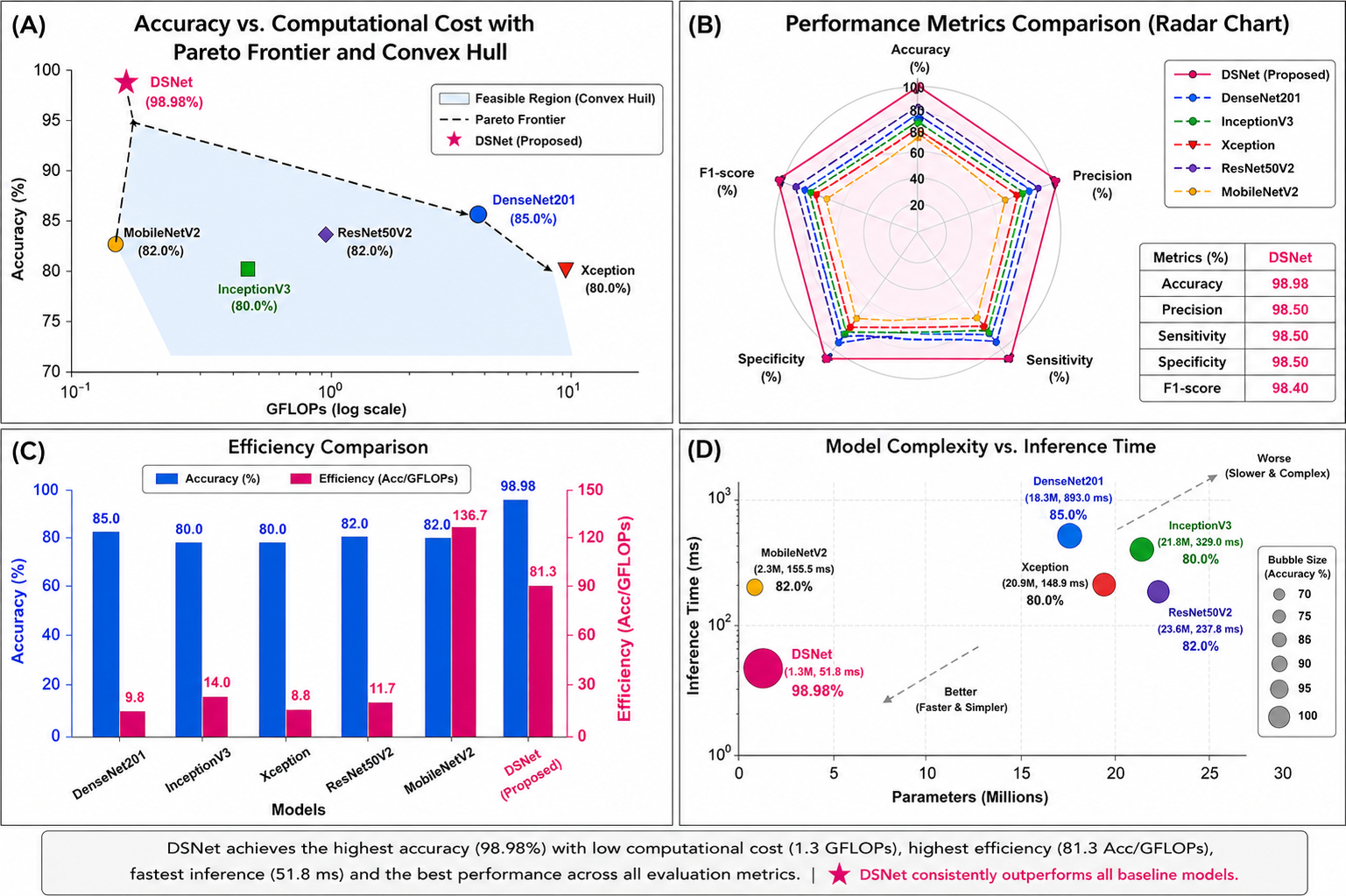
DSNet: A lightweight CNN for cross-magnification whole slide image analysis for…
Md Rofiqul Bari, Jannatul Ferdaus, Amir Sohel, Md Alamgir Kabir, Md Shakhawat Hossain
Knowledge-Based Systems , Vol. 351 , pp. 116753
Convolutional neural networks (CNNs) support automated breast cancer WSI analysis but often require substantial computational resources. We propose DSNet, a lightweight and interpretable CNN with …
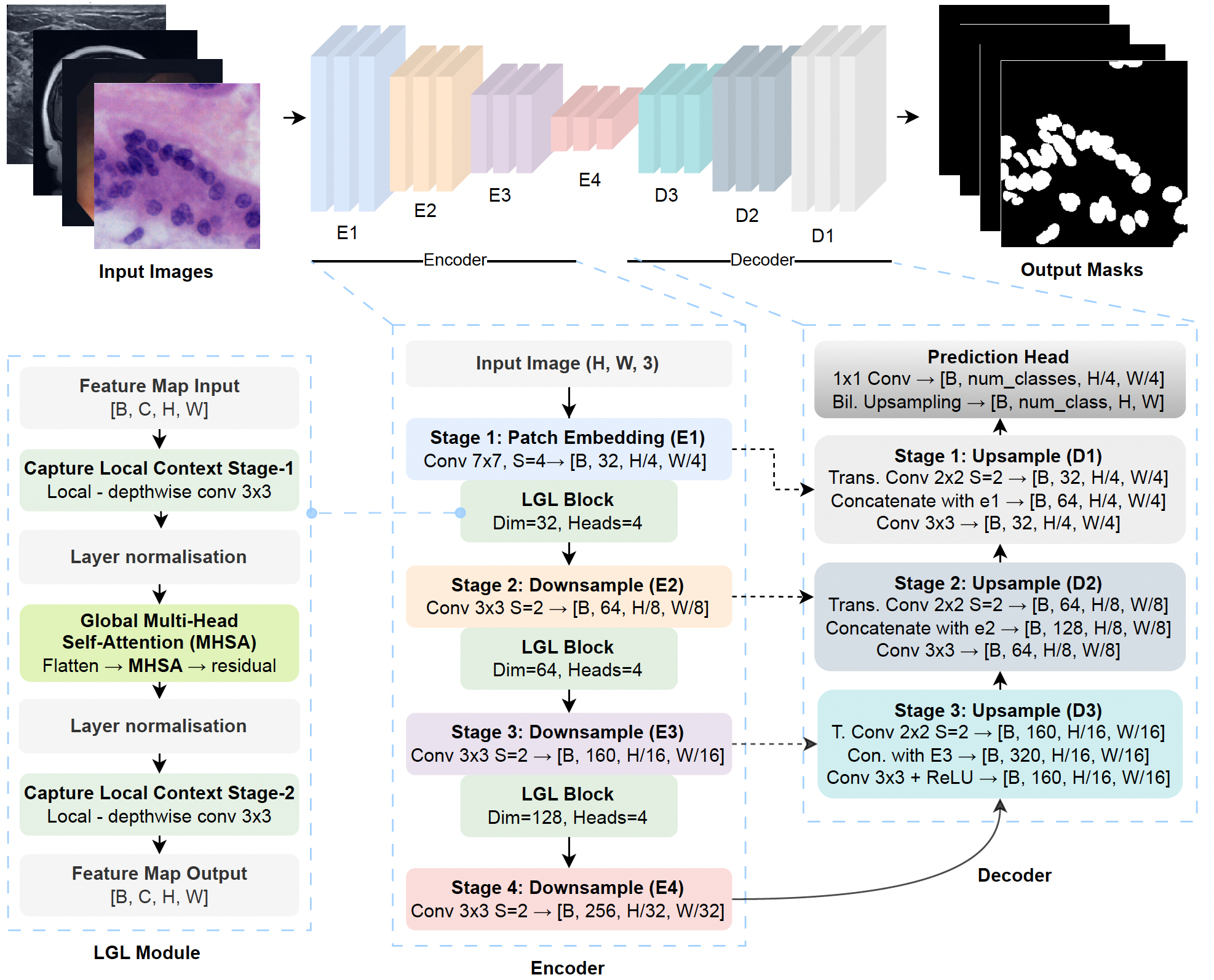
SwiftMSeg: lightweight multi-scale local–global context modeling with transform…
Jahid Hasan Rony, Md Shakhawat Hossain & Fazlul Hasan Siddiqui
Scientific Reports (Nature)
Accurate medical image segmentation requires both fine boundary localization and robust contextual understanding, which is often difficult to achieve simultaneously, particularly in lightweight architectures. …
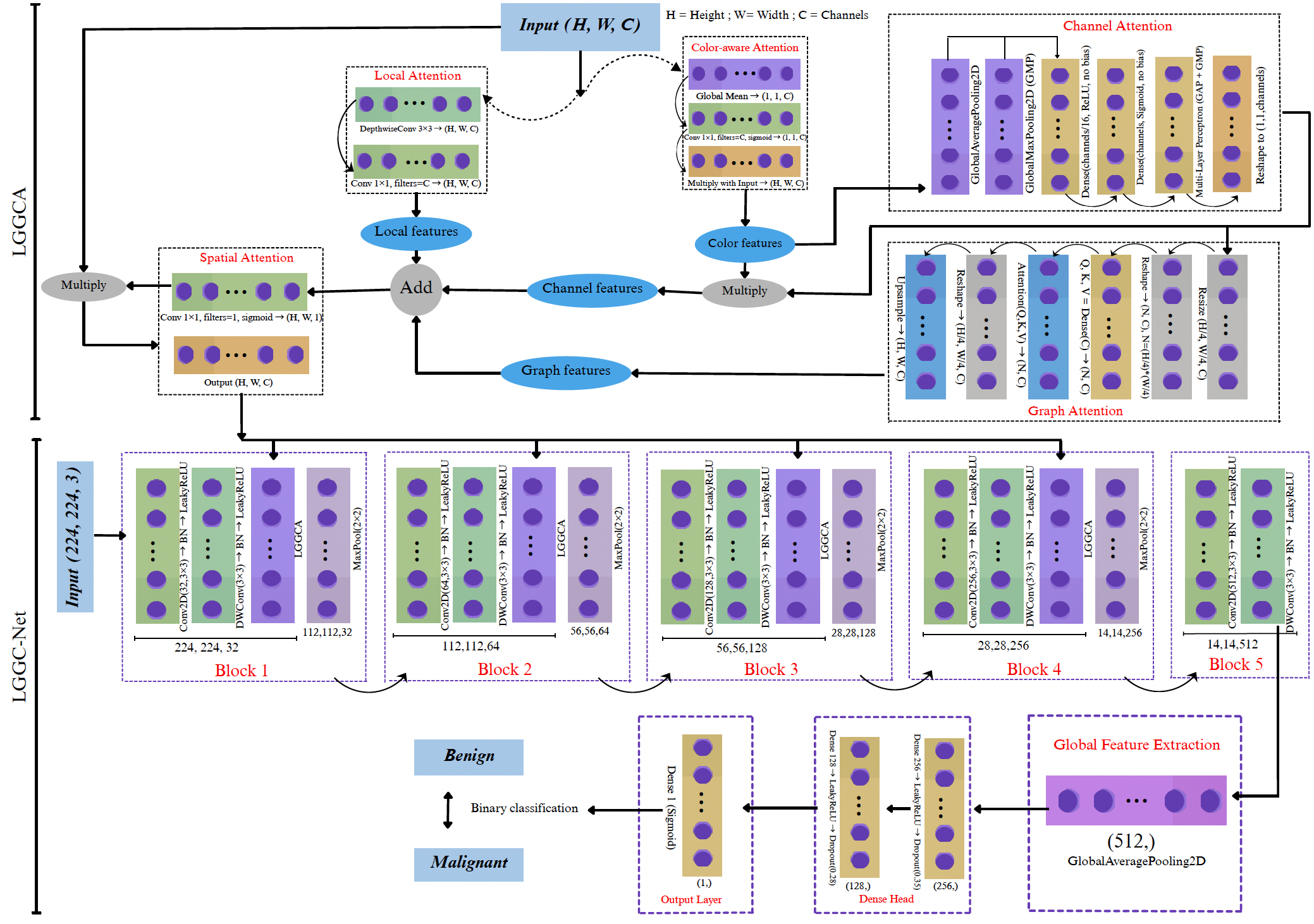
LGGC-Net: a local-global graph and color attention-based lightweight CNN for sk…
Md Aminur Sarker, Md Alamgir Kabir, Md Shakhawat Hossain
Scientific Reports (Nature Publishing Group)
Developing clinically deployable AI systems for skin cancer classification remains challenging due to limited robustness, lack of interpretability and constrained computational resources in hospitals. …
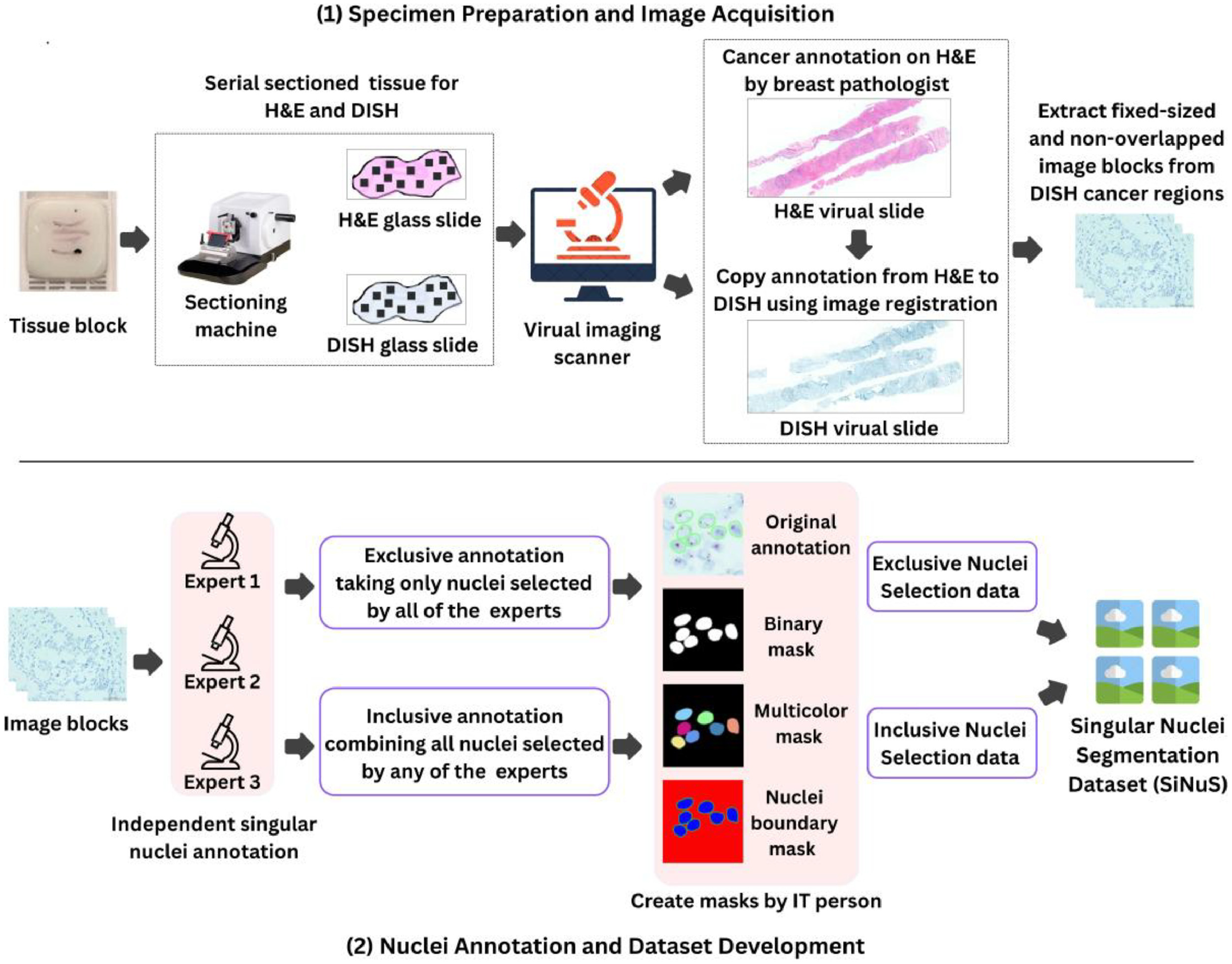
SiNuS: A Comprehensive Dataset for Singular Nuclei Segmentation for HER2 Gradin…
Md Shakhawat Hossain, Md Sahilur Rahman, Munim Ahmed
Data in Brief
Singular nuclei are those that are intact and do not overlap with neighboring nuclei. According to the American Society of Clinical Oncology and the …
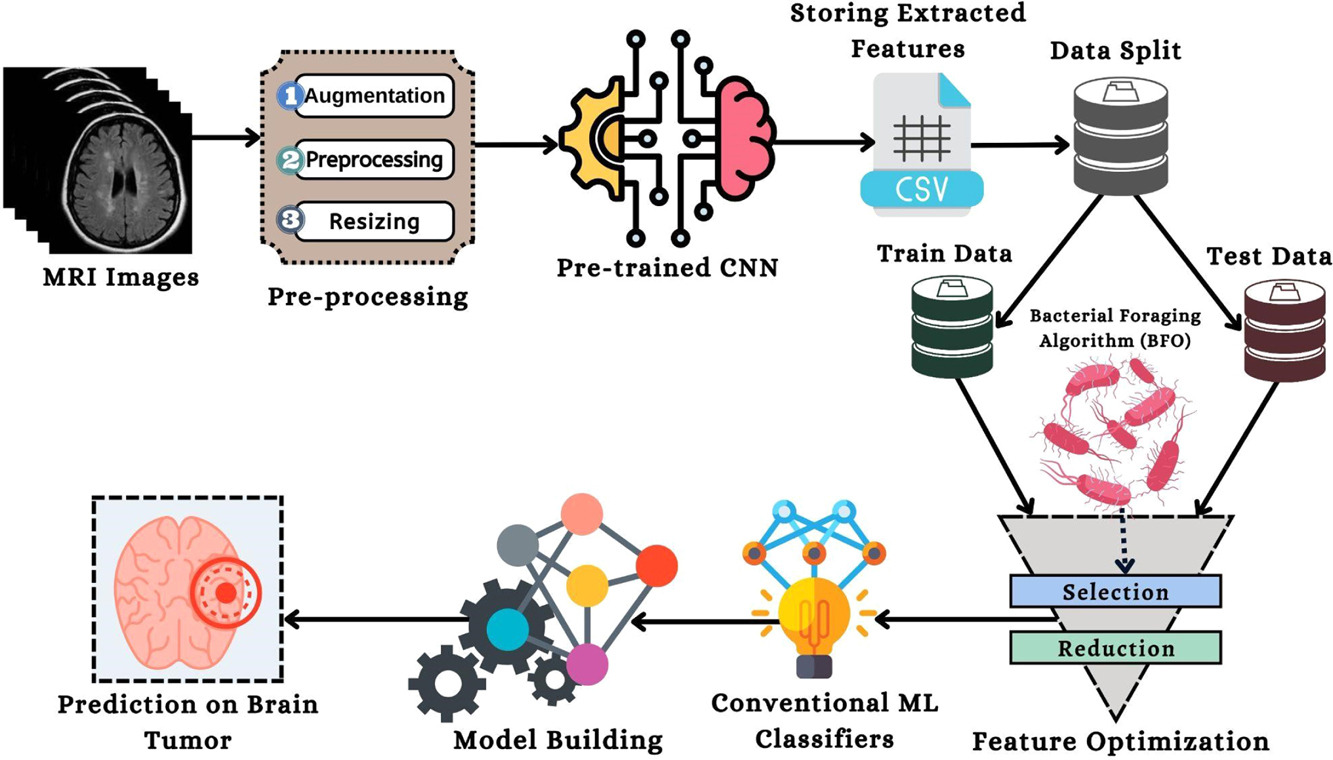
Bacterial Foraging Optimization-boosted convolutional neural network for brain …
Md. Tarequl Islam, Md Wahidur Rahman, Kaniz Roksana, Md Shakhawat Hossain, Mostofa Kamal Nasir, Angel Rio-Álvarez, Víctor M. González
Journal of Computational Science
Accurate brain tumor classification from magnetic resonance imaging (MRI) is essential for early diagnosis and treatment planning; however, existing automated approaches often face challenges related …
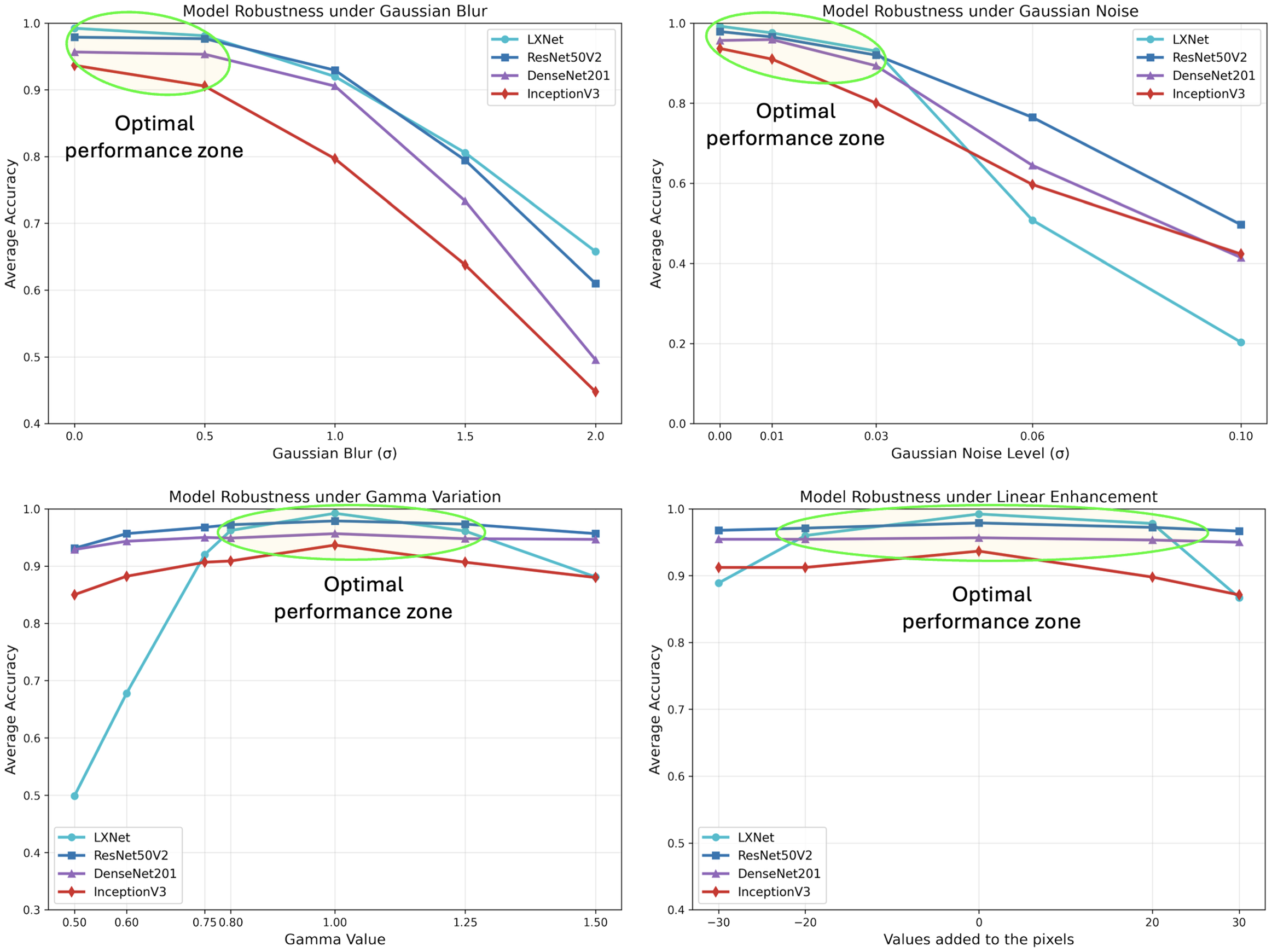
LXNet: A lightweight CNN for lung disease classification from Chest X-ray with …
Juiria Humayan, Md Najmus Sakib Nahid, Amir Sohel, Md Alamgir Kabir, Md Shakhawat Hossain, Zahid Ullah, Mona Jamjoom
PloS one
Lung diseases such as pneumonia and tuberculosis remain major global health challenges, particularly in resource-limited settings. This study presents LXNet, a lightweight and …
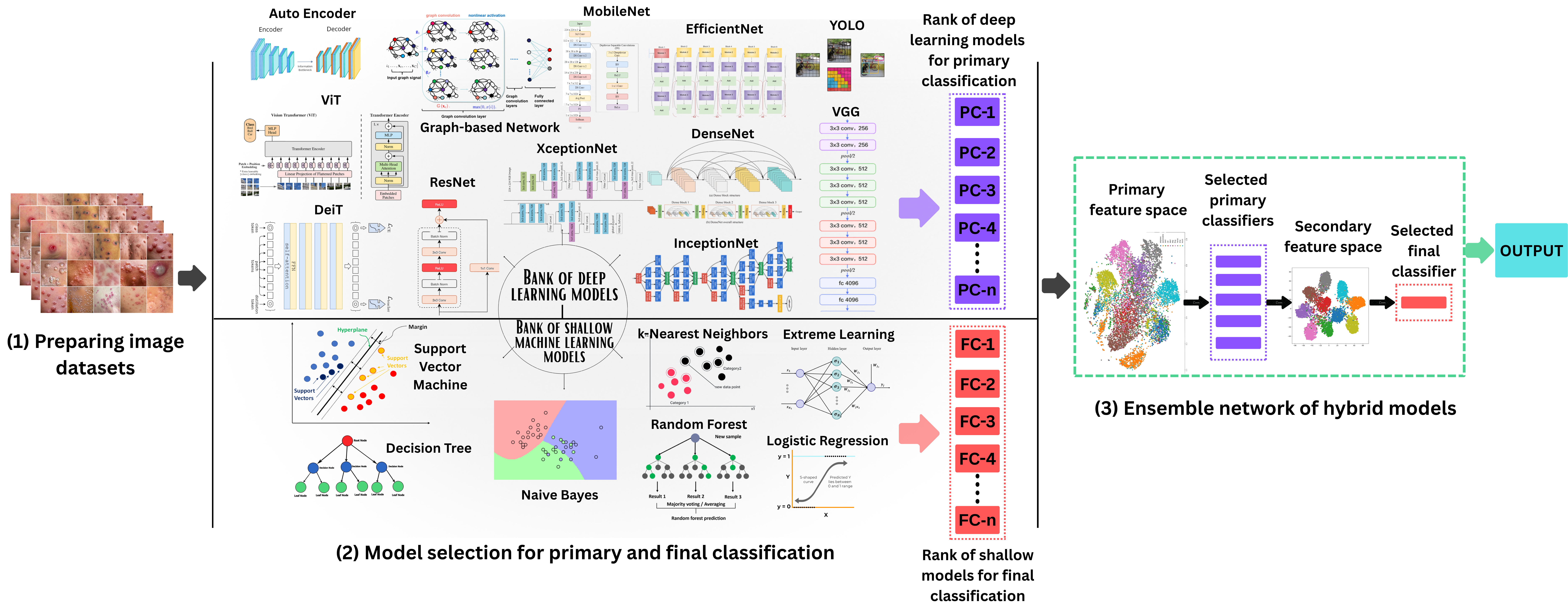
From survey to solution: A deep learning framework for reliable monkeypox diagn…
Md Shakhawat Hossain, Munim Ahmed, Md Sahilur Rahman
Array , Vol. 28
Monkeypox, a re-emerging zoonotic disease, poses a global health threat due to its rapid transmission and visual similarity to other skin lesions such as chickenpox, measles and acne. Deep learning methods, which detect monkeypox from skin images, offer a promising solution to overcome the limitations of manual and PCR-based diagnoses, which are time-consuming, error-prone and impractical in low-resource settings. However, existing methods are limited by poor dataset quality, weak generalizability and inconsistent benchmarking. Practical issues, such as lesion variability, image noise, unsuitable augmentations and minimal preprocessing, pose further challenges to clinical deployment. This study addressed these issues through a three-fold contribution: a comprehensive survey of deep learning methods analyzing their strengths and limitations; the development of a diverse, clinically representative benchmark dataset to better assess model generalizability; and a robust deep learning ensemble framework that improved diagnostic accuracy across diverse skin images. The proposed ensemble method incorporated practical classes, a noise-free and balanced dataset, clinically relevant augmentations and effective preprocessing steps, achieving over 95% accuracy across major public datasets to ensure robustness and readiness for clinical deployment. Explainability analysis using Shapley Additive exPlanation (SHAP) confirmed the method’s reliability across all skin tones and body parts. A paired t-test showed that the ensemble model performed significantly better than individual models across four public datasets (𝑝 = 0.005, Cohen’s 𝑑 = 2.38).
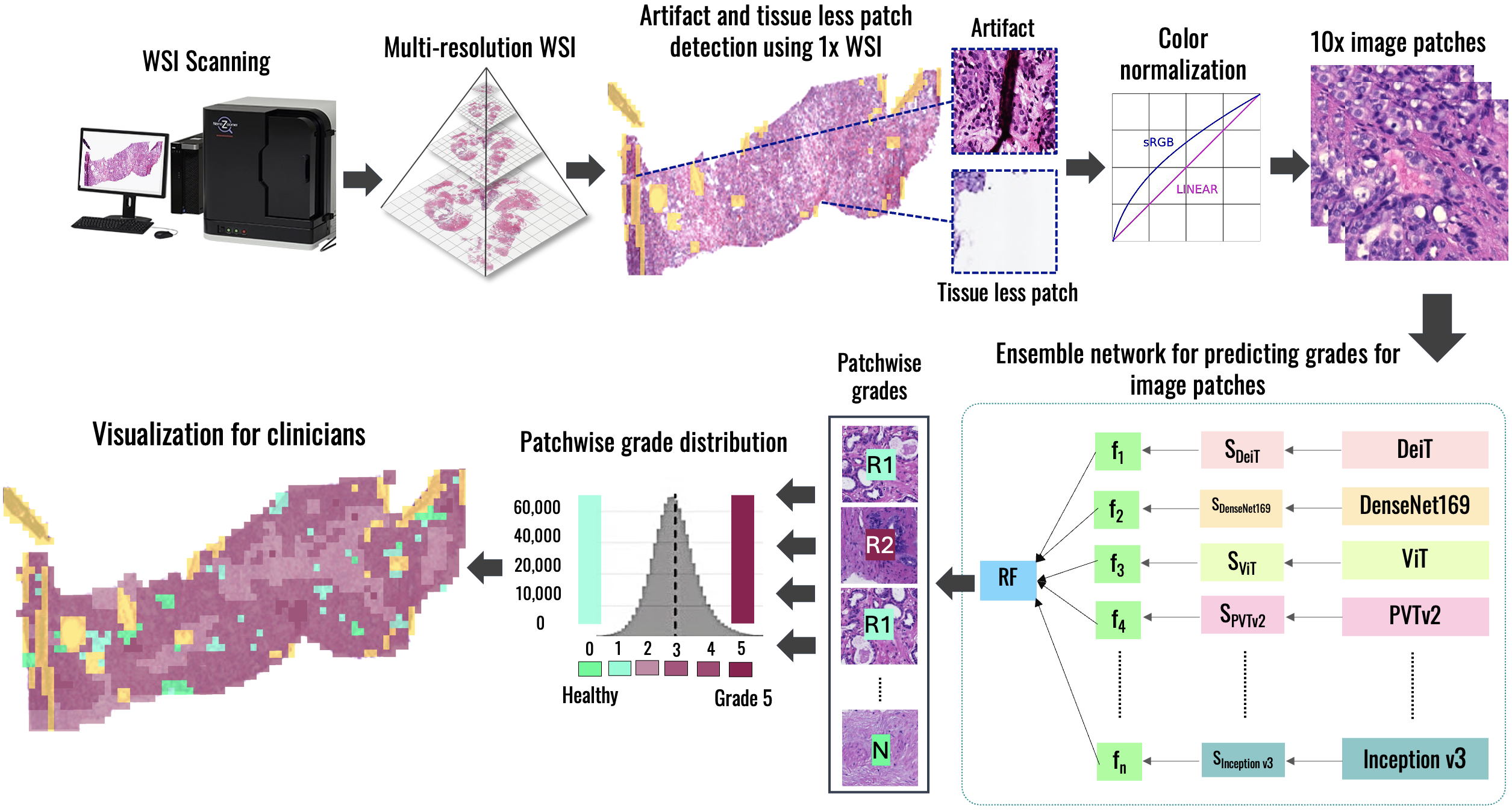
Automated Gleason Grading of Prostate Cancer from Low-Resolution Histopathology…
Md Shakhawat Hossain, Md Sahilur Rahman, Munim Ahmed, Anowar Hussen, Zahid Ullah, Mona Jamjoom
Computers, Materials & Continua
One in every eight men in the US is diagnosed with prostate cancer, making it the most common cancer in men. Gleason grading is …
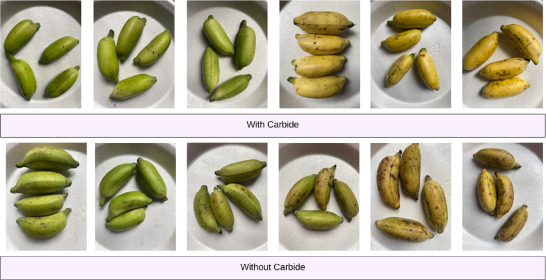
Ripen Banana Dataset: A Comprehensive Resource for Carbide Detection and Ripeni…
Elman Alam, Md Tarequl Islam, Ishrat Zahan Raka, Onamika Sarkar Ritu, Md Shakhawat Hossain, Wahidur Rahman, Rahat Khan
Data in Brief , Vol. 60
We introduce the “Ripen Banana” dataset, a newly developed collection featuring two distinct classes of ripen banana images: carbide and non-carbide. The dataset contains …
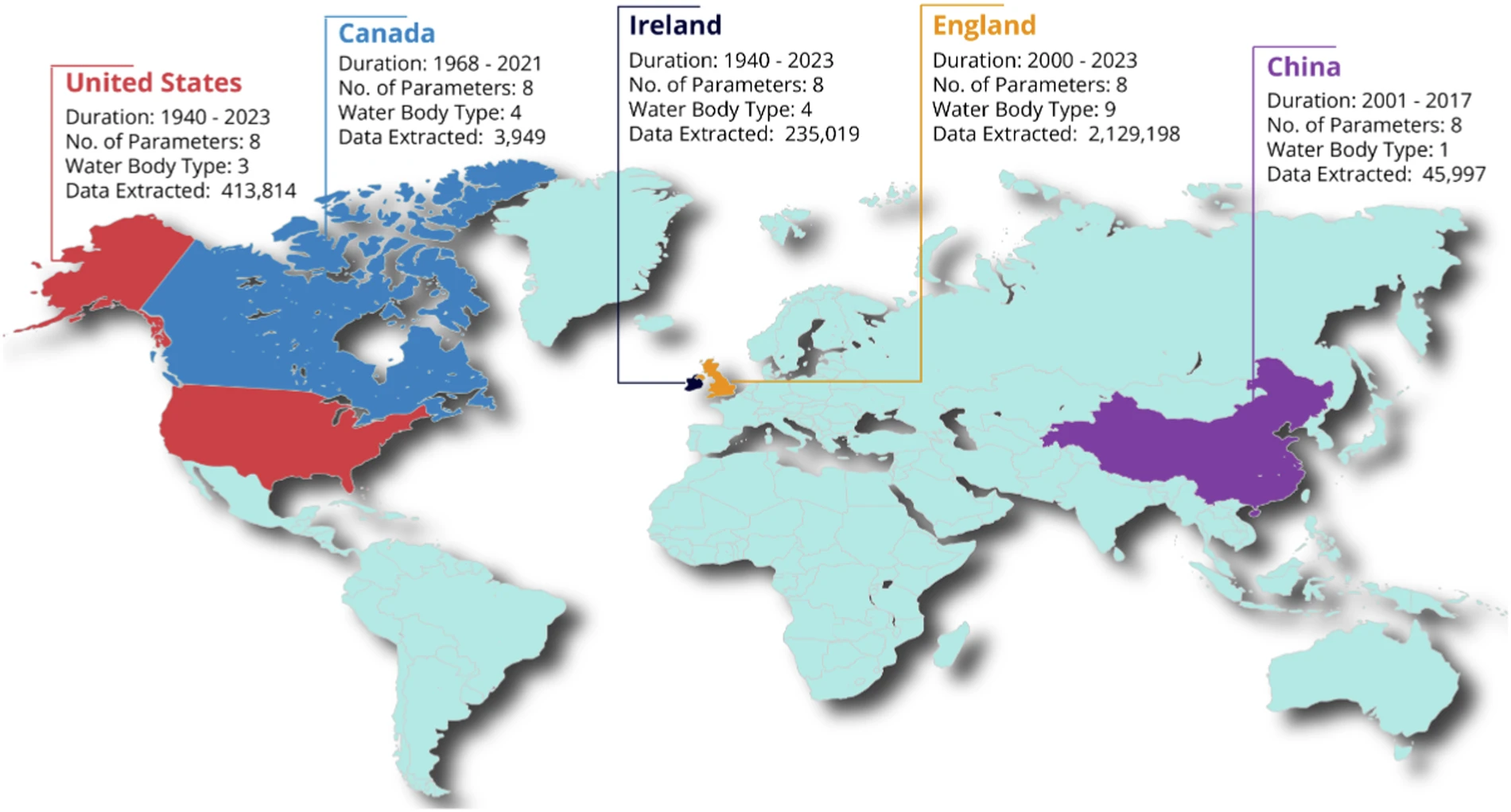
A Comprehensive Dataset of Surface Water Quality Spanning 1940-2023 for Empiric…
Md Rajaul Karim, MM Mahbubul Syeed, Ashifur Rahman, Khondkar Ayaz Rabbani, Kaniz Fatema, Razib Hayat Khan, Md Shakhawat Hossain, Mohammad Faisal Uddin
Scientific Data (Nature) , Vol. 12 (1)
Assessment and monitoring of surface water quality are essential for food security, public health, and ecosystem protection. Although water quality monitoring is a known …

Predicting the effect of Bevacizumab therapy in ovarian cancer from H&E whole s…
Md Shakhawat Hossain, Munim Ahmed, Md Sahilur Rahman, MM Mahbubul Syeed, Mohammad Faisal Uddin
Intelligence-Based Medicine , Vol. 11 (100231)
Ovarian cancer (OC) ranks fifth in all cancer-related fatalities in women. Epithelial ovarian cancer (EOC) is a subclass of OC, accounting for 95 % of …
AnxPred: A Hybrid CNN-SVM Model with XAI to Predict Anxiety among University St…
Md. Rajaul Karim, MM Mahbubul Syeed, Kaniz Fatema, Md. Shakhawat Hossain, Razib Hayat Khan and Mohammad Faisal Uddin
Perceived anxiety is a prevalent issue among university students, negatively affecting both mental health and academic outcomes. Prompt evaluation of anxiety triggered by academic factors …
DSNet: A lightweight CNN for cross-magnification whole slide image analysis for breast cancer diagnosis
Md Rofiqul Bari, Jannatul Ferdaus, Amir Sohel, Md Alamgir Kabir, Md Shakhawat Hossain
Knowledge-Based Systems , Vol. 351 , pp. 116753
Convolutional neural networks (CNNs) support automated breast cancer WSI analysis but often require substantial computational resources. We propose DSNet, a lightweight and interpretable CNN with only 1.31 million parameters (5.01 MB). DSNet achieved accuracies of 99.8%, 94.9%, 92.7%, and 88.0% …
SwiftMSeg: lightweight multi-scale local–global context modeling with transformer for medical image segmentation
Jahid Hasan Rony, Md Shakhawat Hossain & Fazlul Hasan Siddiqui
Scientific Reports (Nature)
Accurate medical image segmentation requires both fine boundary localization and robust contextual understanding, which is often difficult to achieve simultaneously, particularly in lightweight architectures. In this paper, we propose SwiftMSeg, a lightweight encoder–decoder framework that integrates a convolutional encoder, …
LGGC-Net: a local-global graph and color attention-based lightweight CNN for skin cancer classification
Md Aminur Sarker, Md Alamgir Kabir, Md Shakhawat Hossain
Scientific Reports (Nature Publishing Group)
Developing clinically deployable AI systems for skin cancer classification remains challenging due to limited robustness, lack of interpretability and constrained computational resources in hospitals. Although many deep learning models report high accuracy, their large sizes, extensive training requirements and …
SiNuS: A Comprehensive Dataset for Singular Nuclei Segmentation for HER2 Grading of Breast Cancer
Md Shakhawat Hossain, Md Sahilur Rahman, Munim Ahmed
Data in Brief
Singular nuclei are those that are intact and do not overlap with neighboring nuclei. According to the American Society of Clinical Oncology and the College of American Pathologists ASCO/CAP, the human epidermal growth factor receptor 2 (HER2) grading of …
Bacterial Foraging Optimization-boosted convolutional neural network for brain tumor detection using MRI images
Md. Tarequl Islam, Md Wahidur Rahman, Kaniz Roksana, Md Shakhawat Hossain, Mostofa Kamal Nasir, Angel Rio-Álvarez, Víctor M. González
Journal of Computational Science
Accurate brain tumor classification from magnetic resonance imaging (MRI) is essential for early diagnosis and treatment planning; however, existing automated approaches often face challenges related to feature redundancy, computational complexity, and limited training data. In this study, we propose a …
LXNet: A lightweight CNN for lung disease classification from Chest X-ray with XAI-based interpretability
Juiria Humayan, Md Najmus Sakib Nahid, Amir Sohel, Md Alamgir Kabir, Md Shakhawat Hossain, Zahid Ullah, Mona Jamjoom
PloS one
Lung diseases such as pneumonia and tuberculosis remain major global health challenges, particularly in resource-limited settings. This study presents LXNet, a lightweight and explainable convolutional neural network (CNN) for nine-class chest X-ray (CXR) classification. Evaluated on 6,743 …
From survey to solution: A deep learning framework for reliable monkeypox diagnosis using skin images
Md Shakhawat Hossain, Munim Ahmed, Md Sahilur Rahman
Array , Vol. 28
Monkeypox, a re-emerging zoonotic disease, poses a global health threat due to its rapid transmission and visual similarity to other skin lesions such as chickenpox, measles and acne. Deep learning methods, which detect monkeypox from skin images, offer a promising solution to overcome the limitations of manual and PCR-based diagnoses, which are time-consuming, error-prone and impractical in low-resource settings. However, existing methods are limited by poor dataset quality, weak generalizability and inconsistent benchmarking. Practical issues, such as lesion variability, image noise, unsuitable augmentations and minimal preprocessing, pose further challenges to clinical deployment. This study addressed these issues through a three-fold contribution: a comprehensive survey of deep learning methods analyzing their strengths and limitations; the development of a diverse, clinically representative benchmark dataset to better assess model generalizability; and a robust deep learning ensemble framework that improved diagnostic accuracy across diverse skin images. The proposed ensemble method incorporated practical classes, a noise-free and balanced dataset, clinically relevant augmentations and effective preprocessing steps, achieving over 95% accuracy across major public datasets to ensure robustness and readiness for clinical deployment. Explainability analysis using Shapley Additive exPlanation (SHAP) confirmed the method’s reliability across all skin tones and body parts. A paired t-test showed that the ensemble model performed significantly better than individual models across four public datasets (𝑝 = 0.005, Cohen’s 𝑑 = 2.38).
Automated Gleason Grading of Prostate Cancer from Low-Resolution Histopathology Images Using an Ensemble Network of CNN and Transformer Models
Md Shakhawat Hossain, Md Sahilur Rahman, Munim Ahmed, Anowar Hussen, Zahid Ullah, Mona Jamjoom
Computers, Materials & Continua
One in every eight men in the US is diagnosed with prostate cancer, making it the most common cancer in men. Gleason grading is one of the most essential diagnostic and prognostic factors for planning the treatment of prostate …
Ripen Banana Dataset: A Comprehensive Resource for Carbide Detection and Ripening Stage Analysis to Enhance Food Quality and Agricultural Efficiency
Elman Alam, Md Tarequl Islam, Ishrat Zahan Raka, Onamika Sarkar Ritu, Md Shakhawat Hossain, Wahidur Rahman, Rahat Khan
Data in Brief , Vol. 60
We introduce the “Ripen Banana” dataset, a newly developed collection featuring two distinct classes of ripen banana images: carbide and non-carbide. The dataset contains images from raw to ripe bananas that have been ripened with carbide and without carbide. …
A Comprehensive Dataset of Surface Water Quality Spanning 1940-2023 for Empirical and ML Adopted Research
Md Rajaul Karim, MM Mahbubul Syeed, Ashifur Rahman, Khondkar Ayaz Rabbani, Kaniz Fatema, Razib Hayat Khan, Md Shakhawat Hossain, Mohammad Faisal Uddin
Scientific Data (Nature) , Vol. 12 (1)
Assessment and monitoring of surface water quality are essential for food security, public health, and ecosystem protection. Although water quality monitoring is a known phenomenon, little effort has been made to offer a comprehensive and harmonized dataset for surface …
Predicting the effect of Bevacizumab therapy in ovarian cancer from H&E whole slide images using transformer model
Md Shakhawat Hossain, Munim Ahmed, Md Sahilur Rahman, MM Mahbubul Syeed, Mohammad Faisal Uddin
Intelligence-Based Medicine , Vol. 11 (100231)
Ovarian cancer (OC) ranks fifth in all cancer-related fatalities in women. Epithelial ovarian cancer (EOC) is a subclass of OC, accounting for 95 % of all patients. Conventional treatment for EOC is debulking surgery with adjuvant Chemotherapy; however, in 70 % …
AnxPred: A Hybrid CNN-SVM Model with XAI to Predict Anxiety among University Students
Md. Rajaul Karim, MM Mahbubul Syeed, Kaniz Fatema, Md. Shakhawat Hossain, Razib Hayat Khan and Mohammad Faisal Uddin
Perceived anxiety is a prevalent issue among university students, negatively affecting both mental health and academic outcomes. Prompt evaluation of anxiety triggered by academic factors is essential to promote student wellness and academic success. Recent studies have incorporated Machine Learning …